Myopia management
For children whose short-sightedness increases from one year to the next. We explain the options plainly and agree a plan with you and your child.
- For short-sighted children
- Spectacle and contact lens options
- Progress reviewed regularly
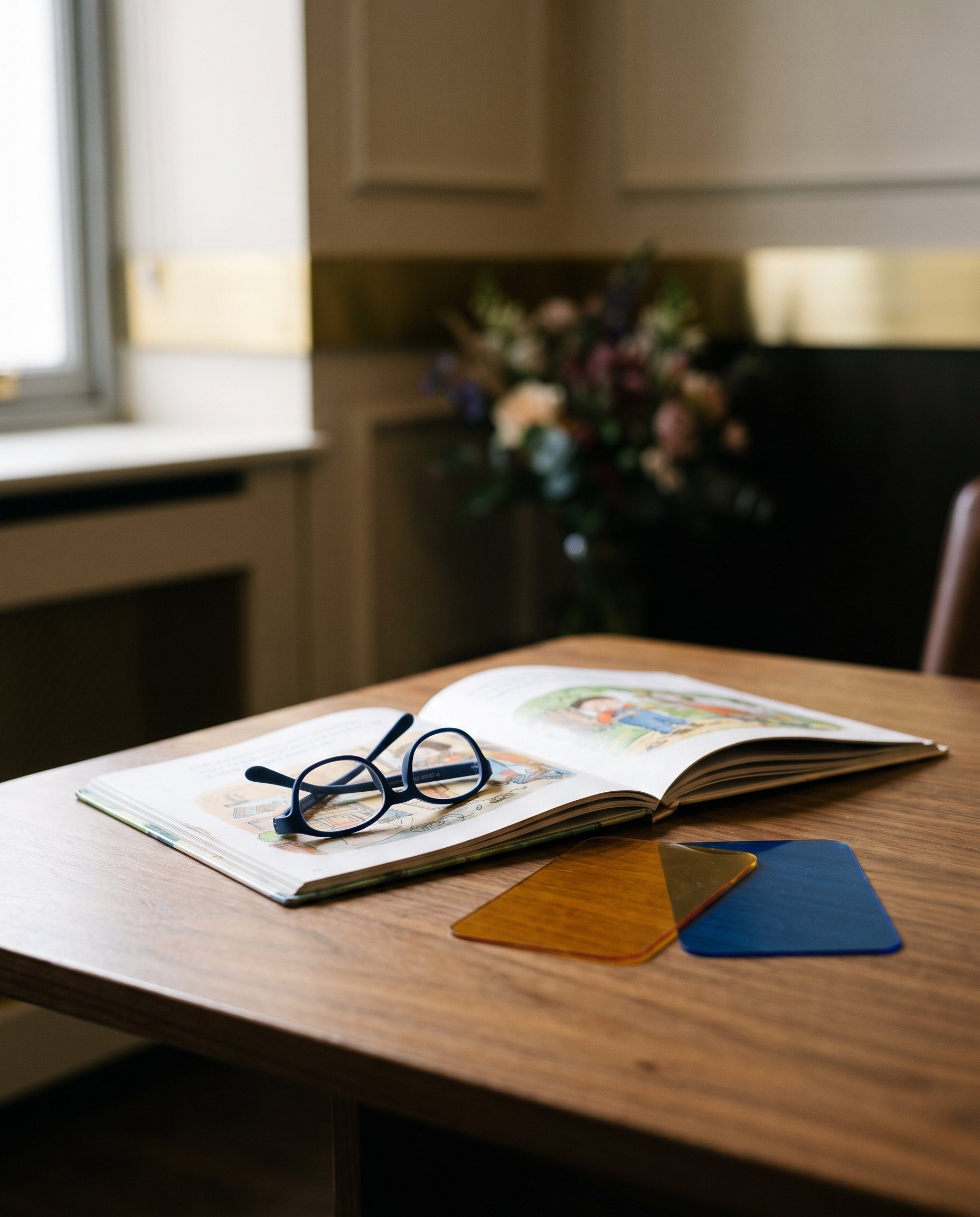
Your appointment
- Who it is for
- Children whose short-sightedness increases from one year to the next.
- What happens
- We measure, explain each option and what it costs, agree a plan with you and your child, and review progress at regular intervals.
- Good to know
- Your child will still need glasses or lenses: the aim is to slow how quickly short-sightedness increases.
What myopia is
Myopia, or short-sightedness, means distant things are blurred. In children it often increases as the eye grows, which is why a prescription can change every year.
The options we discuss
- MiyoSmart spectacle lenses
- MiSight daily contact lenses
- Orthokeratology: lenses worn overnight. See orthokeratology
How we decide
It depends on your child’s age, prescription, how quickly it is changing and what they will be comfortable wearing. We measure, explain what each option involves and what it costs, and review progress at regular intervals. No option can promise a particular result, and we will be honest about that.
Questions people ask
At what age should we start?
There is no single answer. If your child’s prescription has changed at two examinations in a row, it is worth a conversation.
Does spending time outdoors help?
Time outdoors in daylight is widely recommended for children’s eyes. We will talk through everyday habits as well as lenses.
Book an appointment
Tell us what you need and when suits you. We confirm by email or telephone.
Monday to Saturday, 10.30am to 4pm. Other times are available by appointment.